


 9 months ago
88
9 months ago
88
ADVERTISE HERE

Abun Sui Anyit
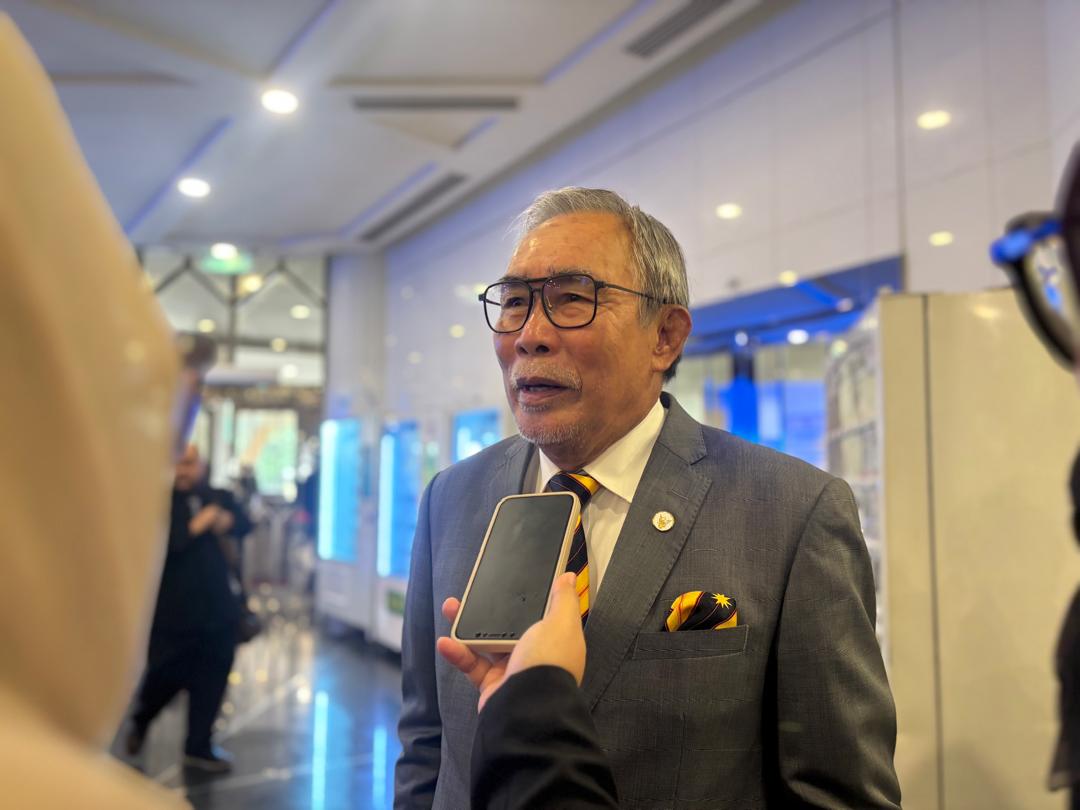
KUCHING (Jan 6): The federal government’s move to limit the Prime Minister’s tenure to a maximum of two terms or 10 years should also be extended to the Sarawak Premier and state leaders such as chief ministers or menteri besar, says Senator Abun Sui Anyit.
He proposed that the reform be implemented through amendments to the respective state constitutions, in line with state powers and jurisdictions as provided for under the Federal Constitution.
“This step is important to prevent abuse of power and excessive concentration of authority in the hands of state chief executives, while strengthening checks and balances and accountability at the state level,” he told Utusan Borneo today.
“This reform is not intended to weaken leadership, but rather to strengthen institutions, mature our democracy and ensure that power always serves the people, and not the other way around,” said Abun, who is also Parti Keadilan Rakyat (PKR) Hulu Rajang division chairman.
On Monday, Prime Minister Datuk Seri Anwar Ibrahim announced that a Bill to limit the Prime Minister’s tenure to no more than 10 years or two full terms would be tabled at Parliament end of the month.
Anwar said the Bill was among four new pieces of legislation to be introduced as part of Parliament’s legislative direction for the year.
“All positions have term limits. Even the Chief Secretary to the Government (KSN) cannot serve for more than 10 years, and the same principle should apply across the board.
“If someone is given a certain period and has successfully carried out their responsibilities, it is only right to then hand over to the next generation.”
Abun also described the proposed Bill as a bold and necessary step that deserves support in the interest of a more transparent, fair and principled future for the country.
The move is a significant institutional reform in line with the aspirations of the Madani Government, particularly in strengthening governance, accountability and the balance of power within Malaysia’s democratic system, he stressed.
Meanwhile, Abun said that in cases of abuse of power or misconduct, the authorities and subsequent leadership would have both the space and legitimacy to take appropriate action.
“Otherwise, the people themselves, through the democratic process, still hold the power to effect change,” he said.


 English (US) ·