


 3 months ago
97
3 months ago
97
ADVERTISE HERE
 Photo for illustration purposes only. Image by Vicky from Pixabay.
Advertisement

By DayakDaily Team
KUCHING, June 19: The Sarawak government has identified a site of about 100 acres to develop a crocodile sanctuary in the Kuching Wetland area.
According to Deputy Minister for Urban Planning, Land Administration, and Environment, Datuk Len Talif Salleh, this is in addition to several other locations in central and northern Sarawak.
Advertisement

“The government has agreed to develop a crocodile sanctuary in the Kuching Wetlands, and a site of about 100 acres has already been identified.
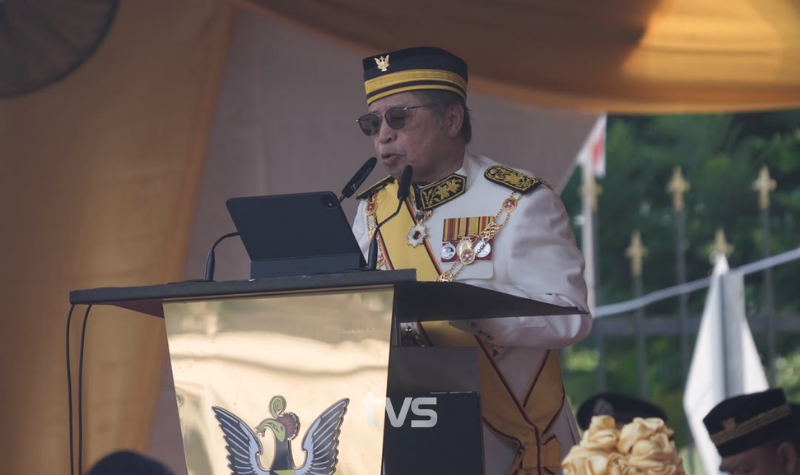
“Any crocodiles relocated from residential areas will be placed in the sanctuary. The area will also be fenced to ensure the reptiles do not leave the site,” he said to reporters at the Shell LiveWire Malaysia 2026 ceremony here today, as reported by TVS.
He was commenting on crocodile population management measures in Sarawak following public concerns over the presence of the reptiles in several popular public areas, most recently at Kuching Waterfront.
For the central region, the identified locations include Pulau Seduku, Batang Lupar, and Rajang Mangrove National Park.
Meanwhile, areas in Sibuti, Lawas and Limbang have been proposed as sanctuary sites in northern Sarawak.
These crocodile sanctuaries will act as a long-term measure to address human-crocodile conflicts, particularly in residential areas, by relocating crocodiles removed from high-risk areas that pose potential threats to public safety.
In a related development, Len Talif said the Sarawak Forestry Corporation (SFC) is also carrying out crocodile relocation and removal operations involving crocodiles identified as threats to the safety of villagers and longhouse communities.
He also reminded the public to remain vigilant by complying with warning signs and making use of the Sarawak Croc Watch application to report crocodile sightings and obtain accurate information on locations where the animals have been detected.
He said this approach is important to ensure a balance between wildlife conservation efforts and public safety, particularly for communities that continue to depend on rivers as a source of livelihood. — DayakDaily






 English (US) ·