


 8 months ago
86
8 months ago
86
ADVERTISE HERE

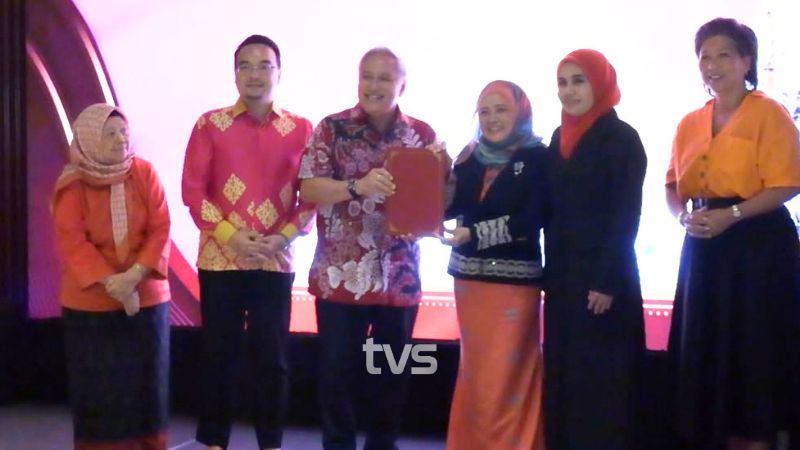
The writer patron reflects on India trip, exploring culture, diplomacy, and lessons for local governance. – Bernama photo

I’VE just been in India for the very first time on a two-part trip.
The first part was to accompany the Sutra Foundation, for whom last year I was Patron of ‘Meniti Cakerawala 2.0’ featuring the dancer Datuk Ramli Ibrahim in collaboration with the astrophysicist Tan Sri Mazlan Othman, which successfully toured eight cities across Malaysia. This time, after completing their tour of their Odissi production ‘Radhe! Radhe!’ in New Delhi, Chandigarh and Vadodara for the 11th International Dance & Music Festival hosted by the Indian Council for Cultural Relations (ICCR), the Sutra community was in Chennai for the launch of an art exhibition, ‘Let a Thousand Flowers Bloom’.
They kindly invited me as patron of this wonderful display of paintings and photographs inspired by Odissi by artists from Bhubaneswar, Chennai, Kuala Lumpur and Seremban. I gave my first speech in India, lighting a ceremonial candle to launch an event, and “felicitated” (i.e. garlanding flowers or placing a shawl over shoulders) distinguished guests. I will write about these cultural aspects separately.
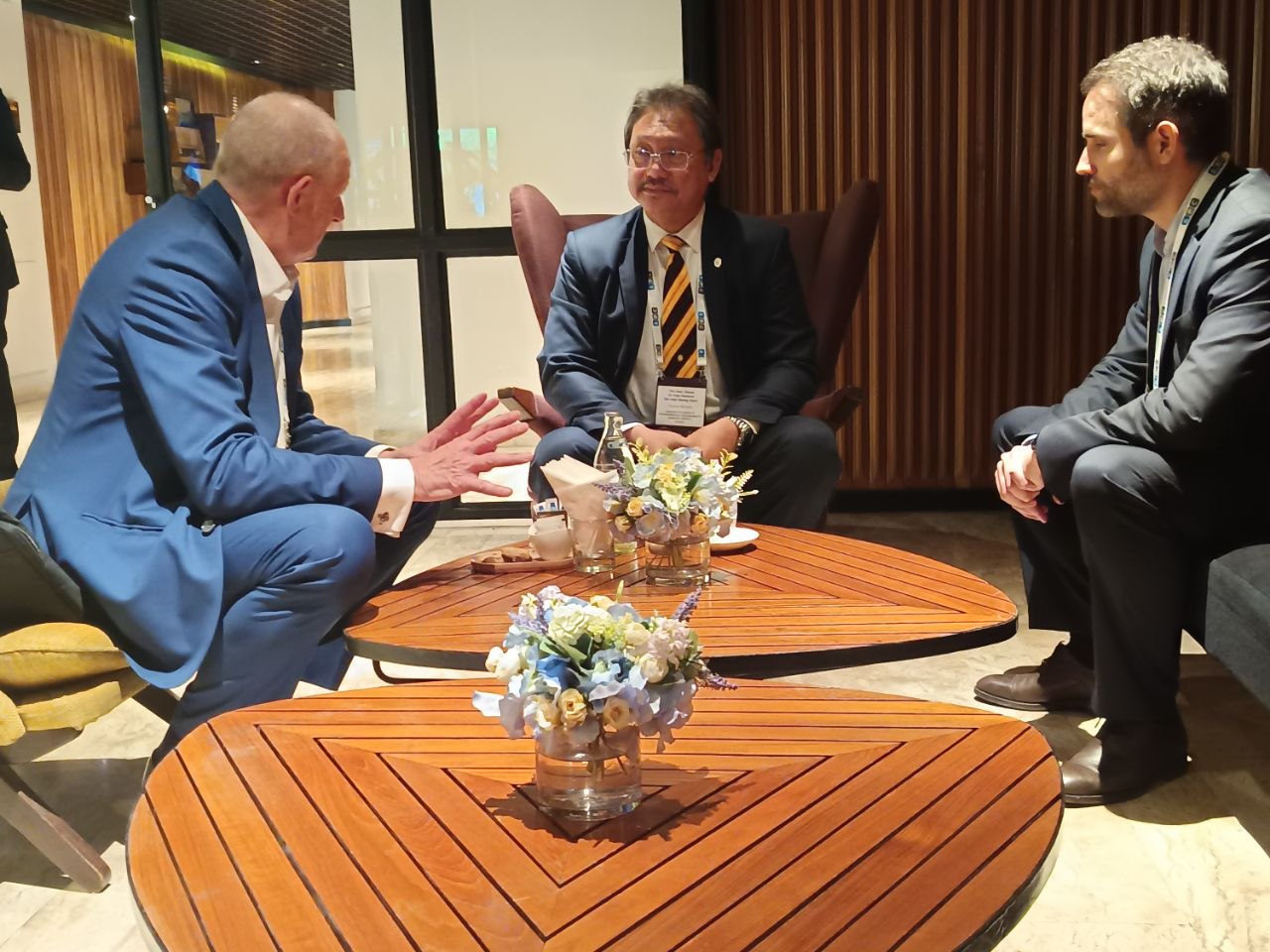
The second part was the Distinguished Visitors Programme, also hosted by ICCR, which is affiliated to the Indian Ministry of External Affairs. They arranged my visits to numerous universities, think tanks and other civil society organisations, as well as government institutions. Almost every meeting had an educational or public policy angle that will be explored not only from the perspective of strengthening the work of the entities involved, but also improving the bilateral relationship.
It is yet another example of successful soft diplomacy which Malaysia would do well to emulate. (Over the years I’ve participated in similar programmes offered by the governments of France, Australia and Singapore.)
Again, there is so much that could be shared, but Malaysian political commentary has decided the first topic for me.
One aspect of Indian politics and society that emerged repeatedly everywhere I went – Chennai (formerly Madras), Puducherry (Pondicherry), Mumbai (Bombay), New Delhi, Agra, and Bengaluru (Bangalore) – was the strength of state pride. As an outsider, I was ready to explore the more storied aspects of diversity in this vast country: the North-South divide, faith, language, caste, and that interplay with class differences e.g. between the scions of former Princely States, the well-known industrialists, the Bollywood elite, and the new wealth stereotypically propelled by overseas education and some connection with the IT sector.
I thought arriving in Tamil Nadu would provide a smoother entry into India as a Malaysian—it’s the only state with a majority Tamil population, with 90 per cent of the state speaking Tamil (it’s only 6 per cent for India in general), while in Malaysia there are nearly three million ethnic Tamils. Partly I was right: the thosai (which they romanise to ‘dosa’ (the Malay word for ‘sin’!)) and banana leaf was familiar (but almost always vegetarian only); everywhere I encountered acknowledgments of Malaysian ties to the region; occasionally this was augmented by a historical knowledge of the Chola Empire’s interactions with Srivijaya.
But I was quickly educated on the particular historical relationship Tamil Nadu has with the Union (what we call ‘Federal’) Government. Fervent pride in the local language and culture—consistently argued locally to be more ancient than the Hindi language and culture dominant in the north of India—alongside a socialist tradition and personality politics (many politicians were film stars) has translated into strong local political parties.
These are, by necessity, allied to parties at the union level, but they also have the effect of creating compromises and moderating extremes. Sarawak, of course, came to mind, and whether these sort of dynamics would become more widespread in Malaysia too.
At the local level, elections are administered by states, and cities have mayors that are either directly or indirectly elected. The powers of mayors also vary state by state, and I am puzzled about the consternation of research into a directly elected mayor for KL. There is much we can learn from India in this and so many areas of governance.
“You should be elected!” I told the Kuala Pilah-born mayor of KL when she was appointed as the first woman to the post in 2024. She agreed, knowing rather a lot about cities through her previous post at UN-Habitat. Now she has been replaced, and many KL-ites wonder why.
So there should be a study done, not only on the viability of mayoral elections for KL, but all local government elections, as per the promise of the first Prime Minister and former Umno president Tunku Abdul Rahman, who promised in Parliament that once “peace and quietness has returned” following the Confrontation with Indonesia, “I can assure that (local council) elections will be held”.
* Tunku Zain Al-‘Abidin is Founding President of the Institute for Democracy and Economic Affairs (IDEAS).


 English (US) ·