


 59 minutes ago
8
59 minutes ago
8
ADVERTISE HERE
From creating a safe space for employees to speak up to addressing digital-era challenges, the Sarawak Land and Survey Department is highlighting the importance of psychological safety and employee wellbeing through ASPIRASI.
ASPIRASI: Putting People First
How safe do employees feel admitting a mistake, questioning a decision or asking for help at work?
In a workplace where performance and productivity often take centre stage, the freedom to speak up without fear of humiliation or retaliation can be just as important.
This is the idea behind psychological safety, which was the focus of the Sarawak Land and Survey Department’s Psychology, Counselling, and Wellbeing Conference 2026, held at the Riverside Majestic Hotel in Kuching recently.
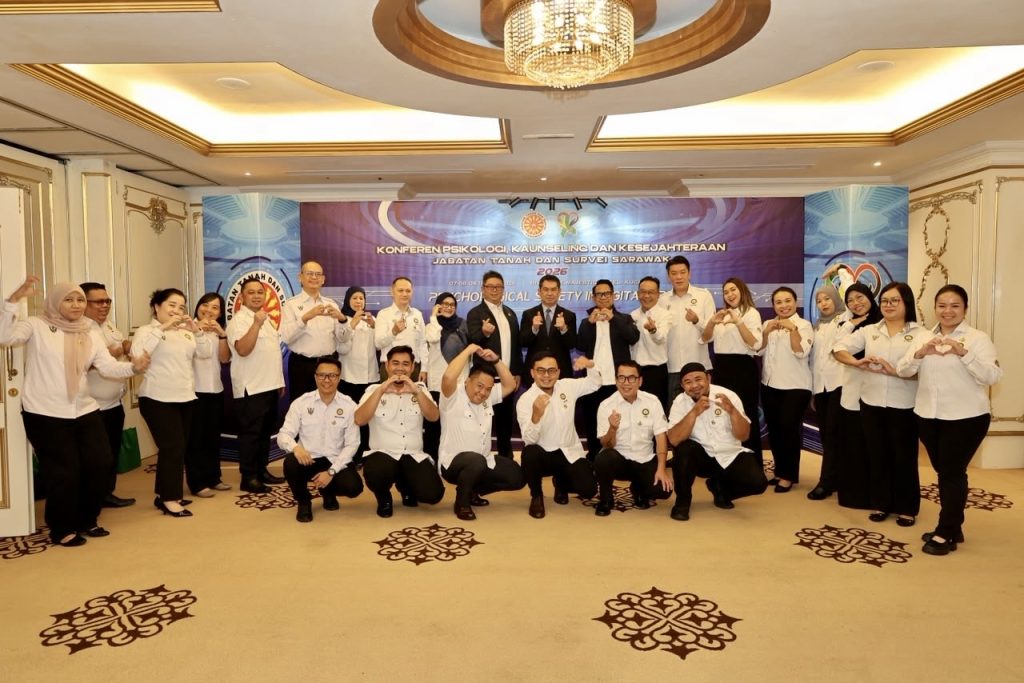 The SCS-KSP team poses with senior management following the event.
Bringing together more than 300 participants representing Land and Survey offices across Sarawak, the conference explored the theme ‘Psychological Safety in the Digital Era’, highlighting the relationship between employee wellbeing, workplace communication and organisational culture.
The subject reflects a wider recognition that mental health at work requires more than encouraging individuals to cope with pressure.
The World Health Organization (WHO) and International Labour Organization (ILO), in their joint policy brief on mental health at work, emphasise the need for measures that address workplace risks, promote mental wellbeing and support employees experiencing mental health conditions.
Beyond performance and productivity
Officially opening the conference, acting Sarawak Land and Survey director Sr Rozlan Putit said the transition to a full conference format in its sixth year reflected the department’s commitment to strengthening psychological support through more comprehensive and interactive approaches.
He emphasised that organisational success should be measured not only by work performance and achievements but also by how employees feel in their working environment.
“A truly strong organisation is measured not only by its work performance and achievements, but equally by how valued, heard, and safe its people feel to continuously grow,” he said.
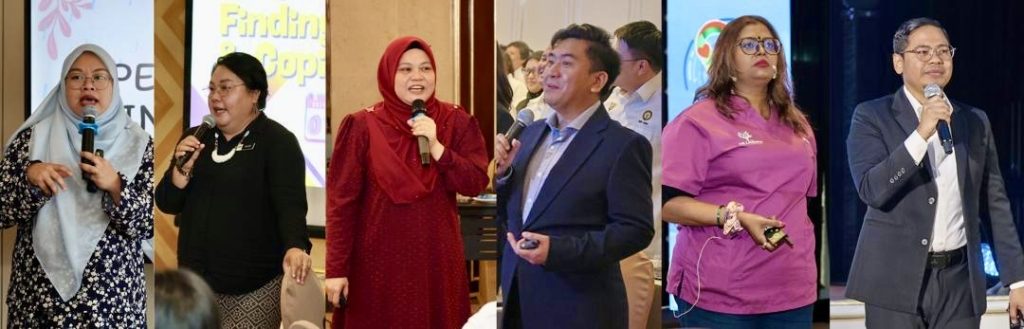 Invited speakers share their expertise at the conference.
His remarks highlighted the importance of creating a workplace where employees can fulfil their responsibilities while feeling supported in their psychological wellbeing.
Psychological safety does not mean eliminating workplace pressure or avoiding difficult conversations. Rather, it concerns whether employees can raise legitimate concerns, seek clarification and discuss mistakes constructively without undue fear of humiliation or retaliation.
A supportive working environment must also maintain professional standards and accountability. This means looking beyond individual coping strategies to consider the conditions in which people work.
Malaysia’s Department of Occupational Safety and Health addresses this through its Guidelines on Psychosocial Risk Assessment and Management at the Workplace 2024, which provides guidance on identifying and managing workplace factors that may affect employees’ mental and physical health.
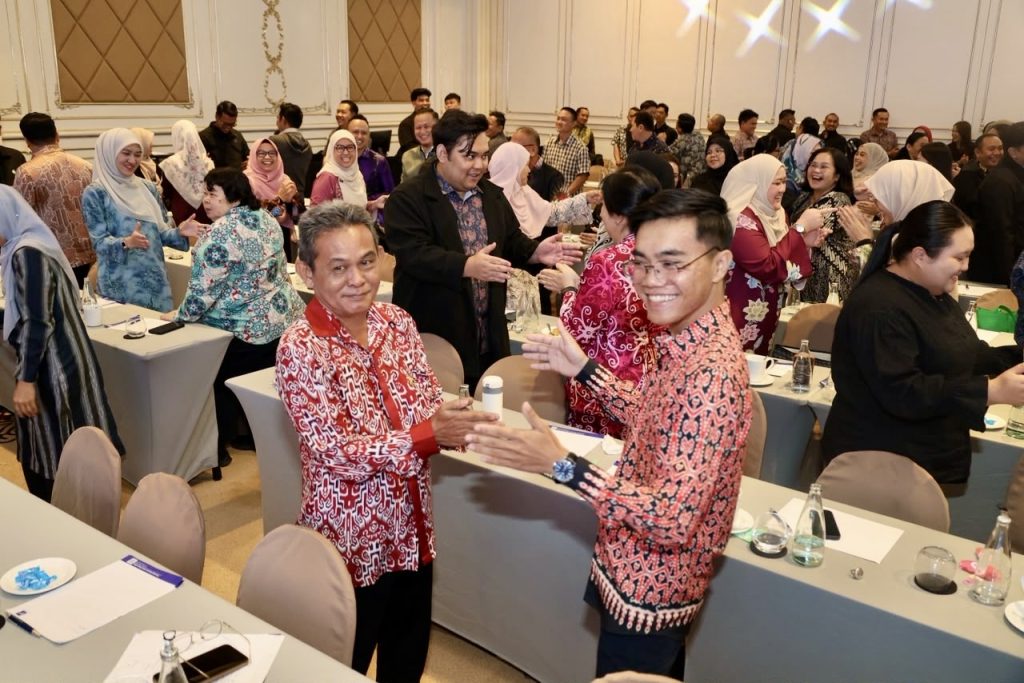 Participants attend the two-day conference, which focused on staff wellbeing and personal development.
These risks can arise from the way work is designed, organised and managed, as well as from relationships and interactions within the workplace.
For employers, this means that awareness activities and counselling services are only part of the picture. Communication, management practices and access to appropriate support also play an important role in shaping employees’ working experiences.
Navigating the digital workplace
As digital platforms become an integral part of professional communication, psychological safety also extends to how employees interact online.
At the conference, Rozlan highlighted the need to protect employees from cyberbullying, which he said could take various forms, including intimidation, insults, the spread of fake news and identity misuse on digital platforms.
He urged personnel to exercise caution online, protect their digital footprints and seek official assistance when experiencing harassment.
While digital communication allows colleagues to exchange information and collaborate more easily, inappropriate online behaviour can undermine trust and leave employees uncertain about how to respond.
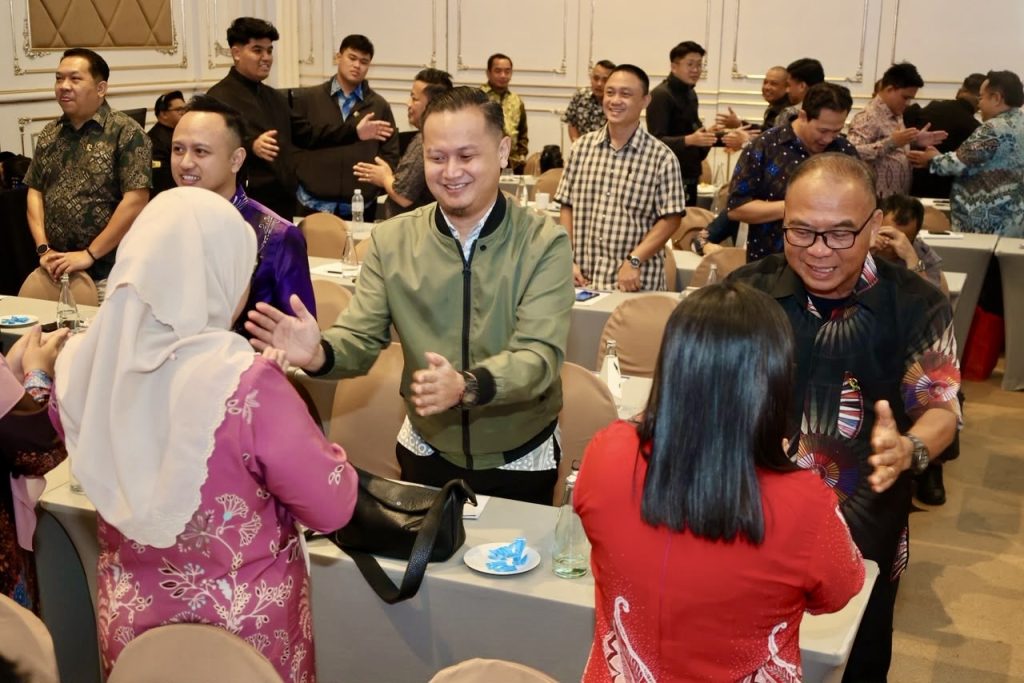 Participants attend the two-day conference, which focused on staff wellbeing and personal development.
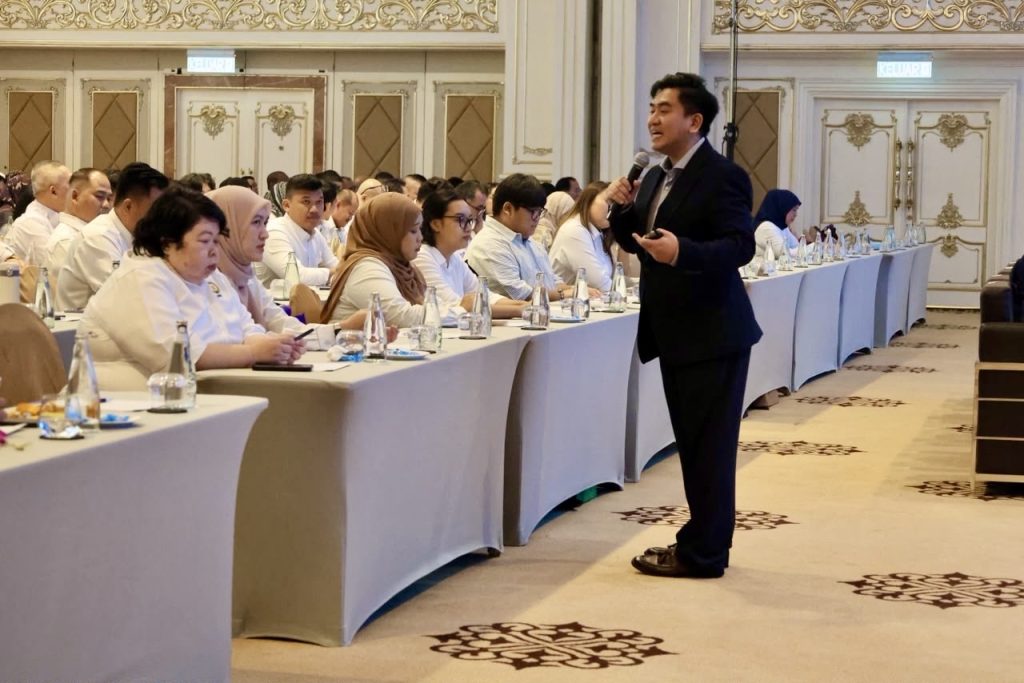 Participants attend the two-day conference, which focused on staff wellbeing and personal development.
Creating a safer digital workplace therefore involves more than reminding employees to be careful online. Clear expectations for digital conduct and accessible channels for reporting inappropriate behaviour are also important.
Rozlan also called for the stigma surrounding counselling to be addressed, stressing that seeking professional help should not be regarded as a sign of weakness or failure.
Instead, he described counselling as a proactive step towards maintaining emotional balance and psychological resilience.
Encouraging employees to seek help is an important part of workplace wellbeing, particularly when they may be uncertain about whether their concerns warrant professional support.
Employees should be able to access appropriate assistance without unnecessary embarrassment, with arrangements in place to protect their privacy.
From awareness day to ASPIRASI
The conference also marked the evolution of the department’s longstanding psychology, counselling and wellbeing initiative, which has been organised annually since 2021.
Previously known as the Psychology, Counselling, and Wellbeing Day, the programme was expanded into a two-day conference in 2026 and rebranded as ASPIRASI.
The name represents eight pillars: Awareness, Support, Psychology, Insight, Resilience, Acceptance, Safety and Integration.
Through the initiative, the department aims to strengthen its approach to employee empowerment and psychological wellbeing while continuing to deliver its land and survey services.
The conference featured a keynote address on the first day by Dr Mohd Shahrul Kamaruddin, a lecturer at Universiti Malaysia Sarawak’s Faculty of Cognitive Sciences and Human Development.
Participants also attended three concurrent workshops: ‘Discover Me: A Journey of Self-Exploration’, led by Saravina Faizal of Sarawak General Hospital; ‘Recharge Me: Finding Balance & Coping Better’, led by Helen Thomas of the Padawan District Education Office; and ‘Express Me: Art, Emotion & Wellbeing’, led by Izyan Masli of the Ministry of Education, Innovation and Talent Development Sarawak.
On the second day, registered counsellor Muhamad Asmar Omar of Universiti Tenaga Nasional, who is also the founder of Nurani Counselling Centre, presented ‘When Personality Affects Psychological Safety’.
This was followed by ‘Leading with Trust: Psychological Safety, Communication & High-Performance Team Culture’, delivered by Dr Lavanya Pillai, a mental health expert, psychologist and certified Human Resource Development Corporation trainer.
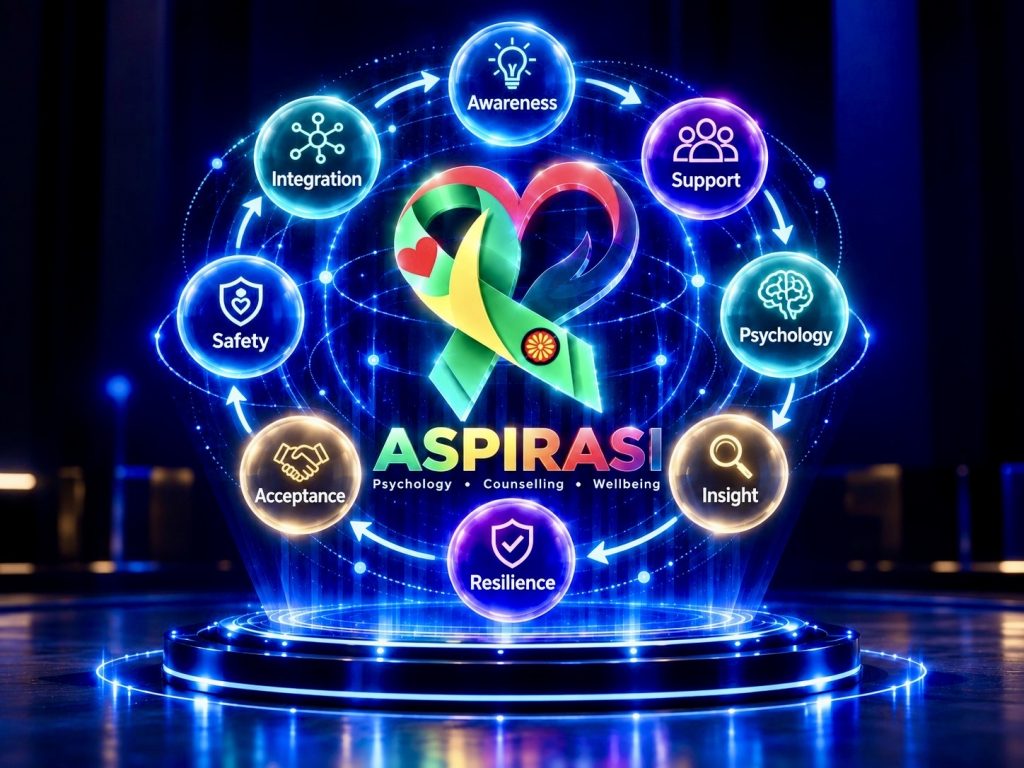
A dedicated Booth SCS-KSP U Share We Care was also set up to provide mental health information, introduce psychological support services and conduct awareness activities.
Together, the sessions addressed wellbeing from several perspectives, ranging from self-awareness and coping strategies to emotional expression, personality, communication and leadership.
The development of ASPIRASI signals the Sarawak Land and Survey Department’s intention to give employee wellbeing a more prominent place within its organisational approach.
Yet, the value of such an initiative ultimately depends on how its principles are reflected in everyday working life.
A healthier workplace is one where employees do not have to choose between speaking honestly and feeling secure, or between asking for help and protecting their dignity.
Beyond every task completed and every target achieved are people whose wellbeing matters — and whose voices deserve to be heard.






 English (US) ·