


 55 minutes ago
6
55 minutes ago
6
ADVERTISE HERE
THE Sarawak government has been urged to approve an estimated RM50.49 million allocation for an urgent Phase Two proof of concept under the Energy-as-a-Service (EaaS) Virtual Grid Framework to address critical electricity supply problems affecting 32 villages in Telang Usan.
Its assemblyman Datuk Dennis Ngau said the proposed intervention is necessary to remediate ageing solar hybrid systems and restore reliable electricity supply to rural communities facing deteriorating battery performance.
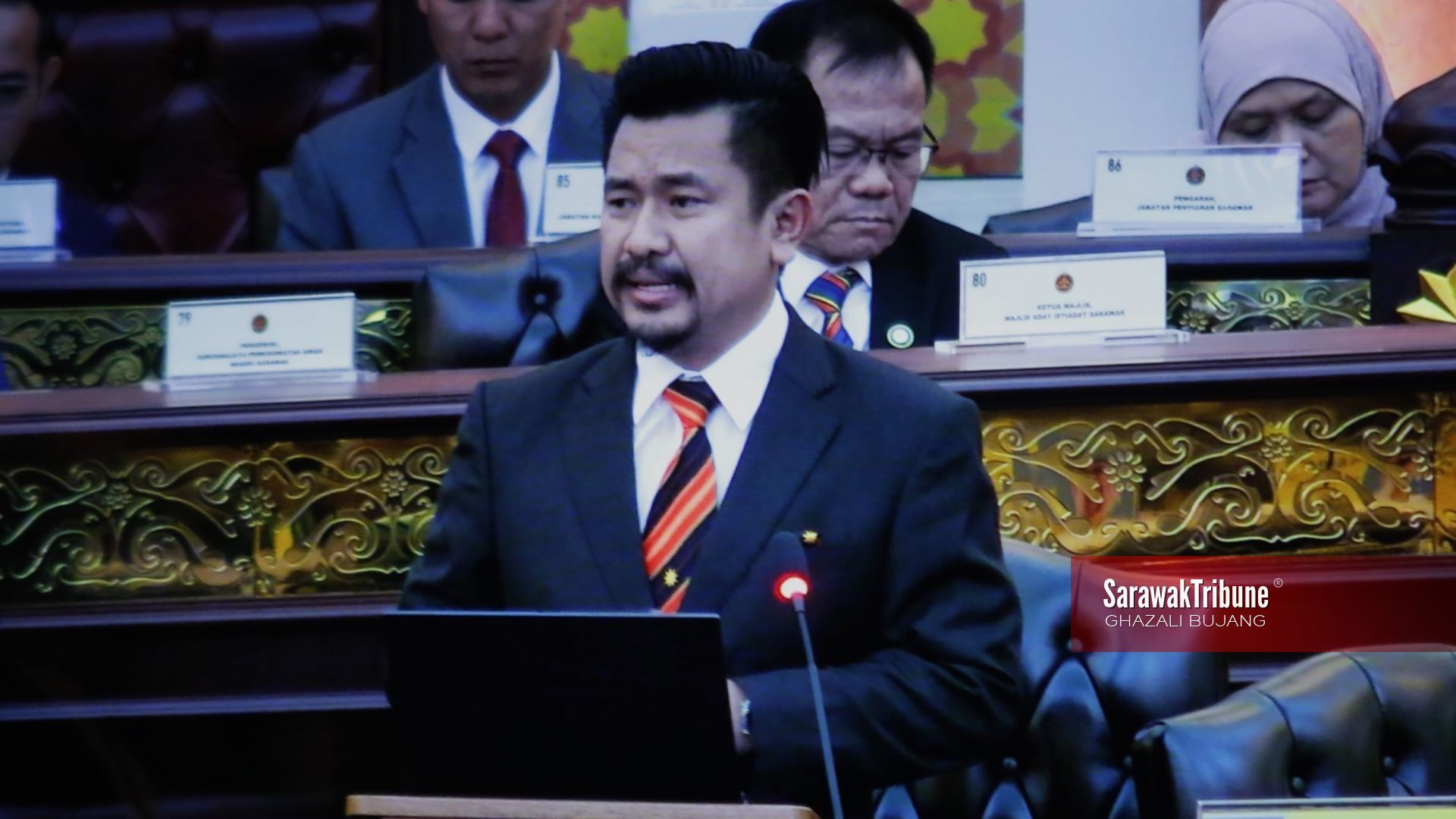
“On September 15, a fire destroyed the Kampung Long Atip Solar Hybrid Station, affecting more than 1,500 residents. Today, around 32 longhouses in my constituency have reached a critical stage where degraded batteries fail through the night,” he said when debating the Supply (2027) Bill, 2026 during the State Legislative Assembly (DUN) Sitting today (Oct 15).

Dennis noted that the Long Atip incident followed an earlier fire at the Long Tap Sungai Akah solar station in September 2024.
He said that after considerable efforts to repair the system, the solar power facility serving the affected longhouse is now operating with a new lithium battery system.
“I strongly appeal to the state government to approve an urgent Phase Two proof of concept, with an estimated allocation of RM50.49 million, to immediately remediate these 32 critical villages using the Energy-as-a-Service (EaaS) Virtual Grid Framework,” he said.
Dennis said the initiative is not merely about upgrading electricity infrastructure, but also about preparing local communities to participate in Sarawak’s growing green economy.
“Beyond the technology and capital, most importantly, the people of Telang Usan are ready. Our youth are ready to be the green-collar engineers of tomorrow, and our communities are ready to step out of the darkness and into a data-driven future,” he said.
He also called for approval of the proposed loop-in, loop-out (LILO) substation in Temala, saying the necessary infrastructure would help unlock the region’s development potential.
Dennis said major projects must comply with all applicable requirements, including environmental safeguards, technical standards and meaningful engagement with affected communities, while unnecessary delays should be avoided when those requirements could be met.
He expressed hope that the Baram Integrated Solar project would serve as a catalyst for wider rural economic transformation by creating employment opportunities, developing local skills, supporting businesses and improving infrastructure.
“Let Baram be known not only for its natural resources, but also for its contribution to Sarawak’s development,” he said.







 English (US) ·