


 8 months ago
89
8 months ago
89
ADVERTISE HERE

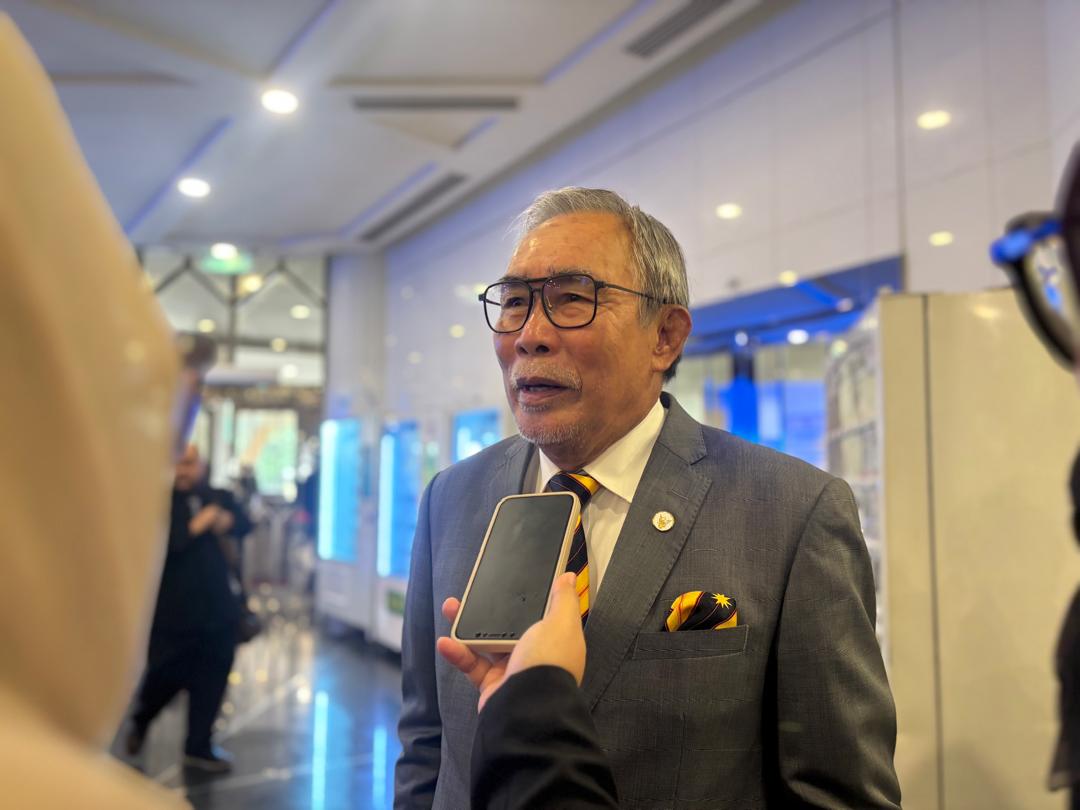
Peter stresses that textbooks should clearly state that Sabah and Sarawak formed Malaysia together with the Federation of Malaya and Singapore, rather than having merely “joined” it. — Malay Mail photo
KUCHING (Jan 24): Sarawak rights activist Peter John Jaban has called on education authorities to revise school history textbooks to accurately reflect the formation of Malaysia, warning that the current narrative risks misleading younger generations.
In a statement, he stressed that textbooks should clearly state that Sabah and Sarawak formed Malaysia together with the Federation of Malaya and Singapore, rather than having merely “joined” it.
He described the distinction as “timely, necessary, and long overdue”, noting that the phrase “formed Malaysia” is historically accurate.
“This is not about rewriting history, but about correcting long-standing inaccuracies. Our children deserve clarity, not confusion – facts, not half-truths,” he said.
Peter pointed out that Malaysia was officially established on Sept 16, 1963, through the agreement of four entities – the Federation of Malaya, Sabah (then North Borneo), Sarawak, and Singapore.
He noted that textbooks and broadcast media continue to emphasize Aug 31 as Malaysia’s Independence Day, which actually marks the independence of the Federation of Malaya in 1957, not the formation of Malaysia.
He also underscored Sarawak’s attainment of self-government on July 22, 1963, and Sabah’s on Aug 31, 1963, and stressed the importance of teaching students about the Cobbold Commission, which assessed public opinion in Sabah and Sarawak and found support for Malaysia was conditional rather than automatic.
Central to his call was the inclusion of the Malaysia Agreement 1963 (MA63) in school textbooks.
Peter said students must understand that MA63 is an international agreement safeguarding Sabah and Sarawak’s autonomy over immigration, land, religion, language, and native rights.
He also urged authorities to include and explain the 18-Point Agreement for Sarawak and 20-Point Agreement for Sabah, which were key conditions for the formation of the federation and intended to protect local governance, identity, and rights.
“The erosion or neglect of these safeguards explains many of the constitutional and development debates we continue to see today,” he said.
Peter also highlighted the need for textbooks to clarify Sabah and Sarawak’s constitutional status, including their original placement in a separate category, the significance of Article 1(2) of the Federal Constitution, and why amendments affecting the two states require special consent.
He noted that the 2021 constitutional amendment reaffirmed Sabah and Sarawak’s status in line with MA63, and the education system must now reflect this historical and constitutional reality.
Peter concluded that an honest account of history would strengthen, not weaken, national unity.
“An accurate telling of our shared past fosters mutual respect, understanding, and equality among all regions of Malaysia,” he said.
At a function in Tawau on Thursday, Sabah Education, Science, Technology and Innovation Minister Datuk James Ratib said he would propose that the narrative in school history books change from “Sabah and Sarawak joined Malaysia” to “Sabah and Sarawak formed Malaysia together with the Federation of Malaya and Singapore”.
“I will raise this matter with the minister of education, who is also the chairperson of the State Education Exco Committee Meeting (MEJPN), for improvements to the History syllabus,” he said in a report.



 English (US) ·