


 2 months ago
45
2 months ago
45
ADVERTISE HERE
Every time a country is hit by dust, it reminds us of 1997, when such a severe dust crisis hit the country and the Air Pollution Index (IPU) readings exceeded hazard levels. At the time, fog conditions not only caused the sky to look gray and the air to be difficult to breathe, but it became a major crisis until Malaysia declared a state of emergency for the affected areas.
Almost three decades later, we're still facing the same question. Why do we still have to go through a repeat of the episode? Wildfires and open fires, including forest fires and peatlands in Indonesia, are often among the major contributing factors to cross-border dust affecting Malaysia.
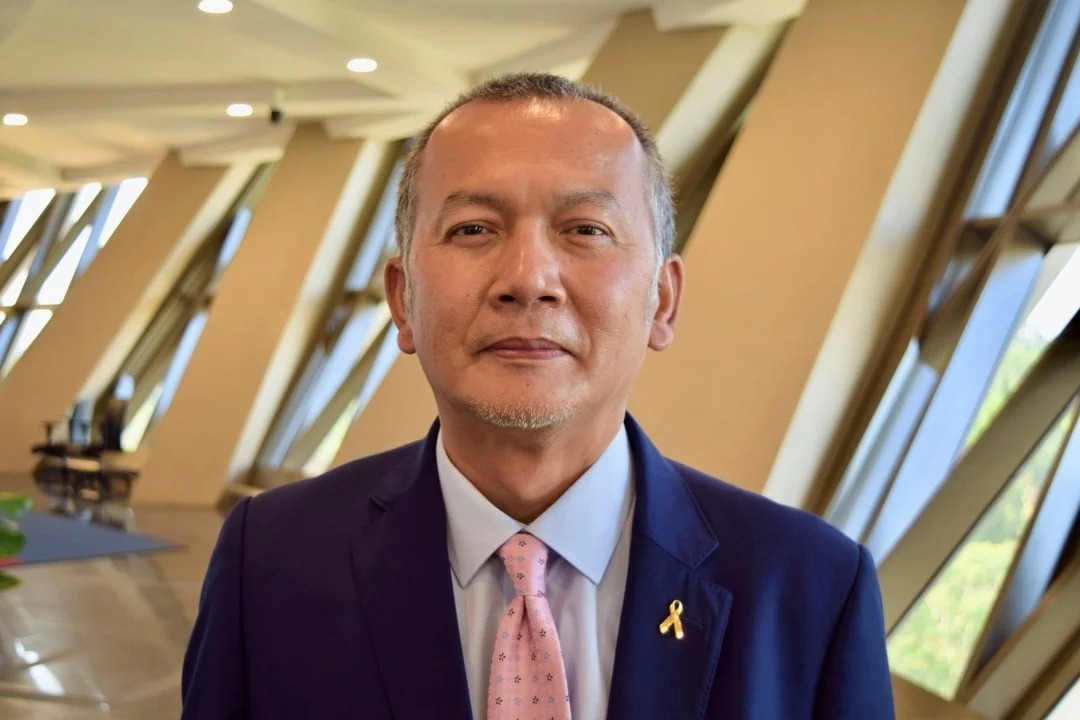
 Nur Afisha Yusuf
When dust hits, the effects are felt by all walks of life. Human health is affected when air quality deteriorates, especially for children, gold citizens and those with respiratory problems. Daily activities are also disrupted. Schools may be forced to close, outdoor activities canceled and air travel and transportation may be affected by low visibility.
The impact of the dust is also much greater than what can be seen on IPU readings. The environment is also affected when forest fires destroy habitats, threaten biodiversity and contribute to carbon emissions. The economy is also affected when productivity falls, the tourism sector is affected, business activities are disrupted and health-related costs rise.
This is why the issue of waste needs to be seen through the lens of the Sustainable Development Goals. GEREBU has to do with most of the goals outlined by the United Nations in 2015 for sustainable development that will greatly benefit and improve human quality of life.
Among the Sustainable Development Goals closely related to dust issues are Goal 3, Good Health and Well-being, as clean air is fundamental to human health. The problem of waste is also closely related to Goal 4, Quality Education, when schools and learning processes are disrupted because schools must be closed if IPU reaches 200. It is also linked to Goal 8, Good Employment and Economic Growth, as air pollution can affect productivity and economic activity.
At the same time, Goal 11, Sustainable Cities and Communities, is not only related to infrastructure development or modern urban construction but also emphasizes the need to ensure that communities can live in healthy, safe and quality environments.
In the context of smoke also, Climate Action Goal 13, becomes increasingly relevant as forest fires and peatlands not only produce smoke that impacts air quality but also releases large amounts of carbon to the atmosphere. Most obviously, Goal 15, Life on Land, stresses the importance of protecting land ecosystems, forests and biodiversity.
However, there is a bigger question: how do we want to achieve the 2030 Agenda if fundamental problems like clean air can't be solved effectively?
The 2030 Agenda is not just an international document. It should be translated into the quality of everyday human life through the air we breathe, the schools our children attend, the forests we protect and the economies we build.
Development cannot be considered sustainable if economic progress is achieved at the expense of human health and the environment.
The grapevine also teaches us that there are no limits to environmental problems. The smoke doesn't know the country's borders. So is climate change, pollution and biodiversity destruction. Therefore, solving these problems requires regional cooperation, more effective enforcement, responsible forest management and community involvement. If the dust keeps receding without a sustainable solution, Agenda 2030 may just remain a dream on paper.
But we still have a choice.
We can choose to continue acting when the dust comes, or we can start acting before the dust comes again. This is the spirit that's applied in Goal 17, Partnership for Goals. No country, no government, no agency or no community can solve this problem alone. We need cooperation between states, governments, law enforcement agencies, the private sector, research institutions, NGOs and, most importantly, society itself.
Jerebu doesn't know a border. So the solution cannot be limited by boundaries either.
And finally, sustainable development is not just about saving the earth one day.
The question is no longer, "When will the dust come?"
But, "What are we going to do to stop him from coming back?"
Articles from
Nur Afisha Yusuf
Right-handed speaker
Faculty of Administrative Sciences and Policy Studies
Search for Sarawak







 English (US) ·