


 6 days ago
46
6 days ago
46
ADVERTISE HERE
THE Malaysian International Halal Showcase (MIHAS) Modest Fashion Week 2026 provided a platform that blended contemporary fashion with designs rooted in tradition. It was refreshing to see such a variety of styles, fabrics, colours and design interpretations from Malaysian designers, both in the exhibition areas and on the runway.
What made the event particularly interesting was the participation of designers and artisans from Sarawak. It was wonderful to see the Sarawak Crafts Council playing a significant role in bringing Sarawak’s creative talents to a platform with international reach.
Events such as Modest Fashion Week provide opportunities to bring together local and international designers, buyers, industry leaders and fashion enthusiasts, allowing Malaysian craftsmanship and design to reach a wider audience.
A relatively new NGO headquartered in Kuching, Persatuan Delphic Seni dan Kebudayaan Malaysia, better known as Delphics Malaysia, also played a supporting role at Modest Fashion Week 2026 at MITEC. Its involvement reflects growing efforts to connect Sarawak’s creative community with wider national and international platforms.
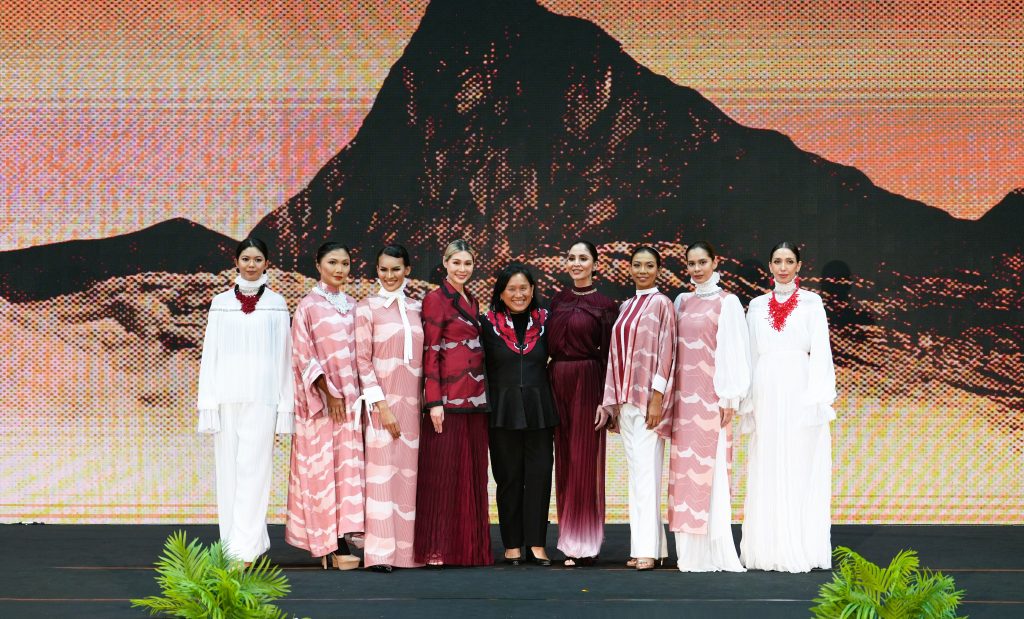 Tanoti founder, Datuk Jacqueline Fong, with pieces from Tanoti’s SUMMITS collection.
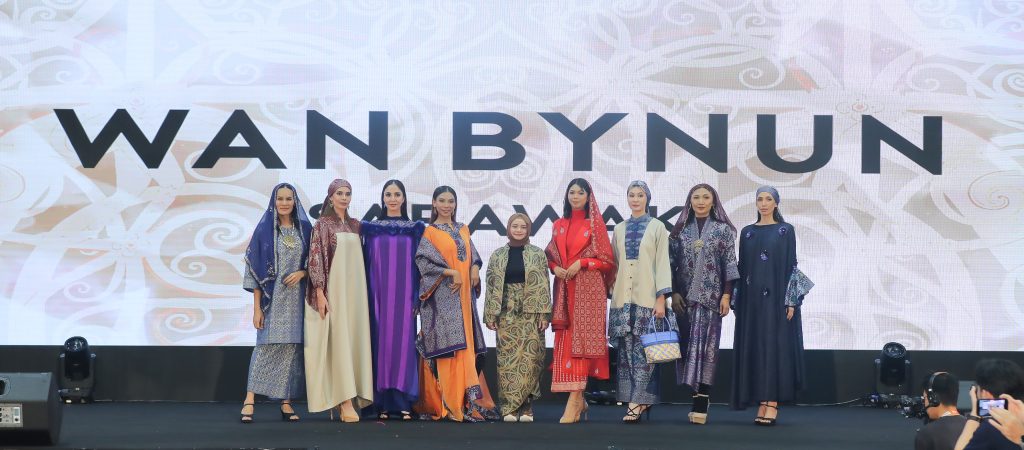 Designer Wan Bynun (centre) with her modest fashion collection.
The event received strong support from MyFashionChamber, whose founder and chief executive officer, Jay Ishak, gave a clear and insightful explanation of what designers and artisans need to do to expand their businesses and remain sustainable in an increasingly challenging creative industry.
One important point stood out: fashion is not simply about putting on a great fashion show. Behind the glamour and creativity, there must also be a commercial return.
Jay, who is also the curator of MIHAS Modest Fashion Week, explained in her speech:
“For designers and artisans to survive and grow, creativity has to be supported by sound business strategies, market access, production capabilities and opportunities to connect with buyers. A beautiful collection may attract attention on the runway, but its success ultimately depends on whether it can move beyond the show and into the marketplace.”
This is where platforms such as MIHAS Modest Fashion Week can play an important role, creating a bridge between creativity, culture and commerce while giving Malaysian designers and artisans an opportunity to take their work to a wider audience.
A forum during the event also helped highlight the importance of supporting local fashion creatives and craftsmen.
On the second day of Modest Fashion Week, Datuk Dr Hajah Rashidah Haji Bolhasan, special officer from the Sarawak Ministry of Tourism, Creative Industry and Performing Arts, spoke about the cultural value of fashion. She pointed out that certain indigenous motifs carry deep cultural and spiritual meanings.
These are the stories that we want to tell the world — stories and knowledge that form an important part of the cultural heritage of Sarawak’s indigenous communities.
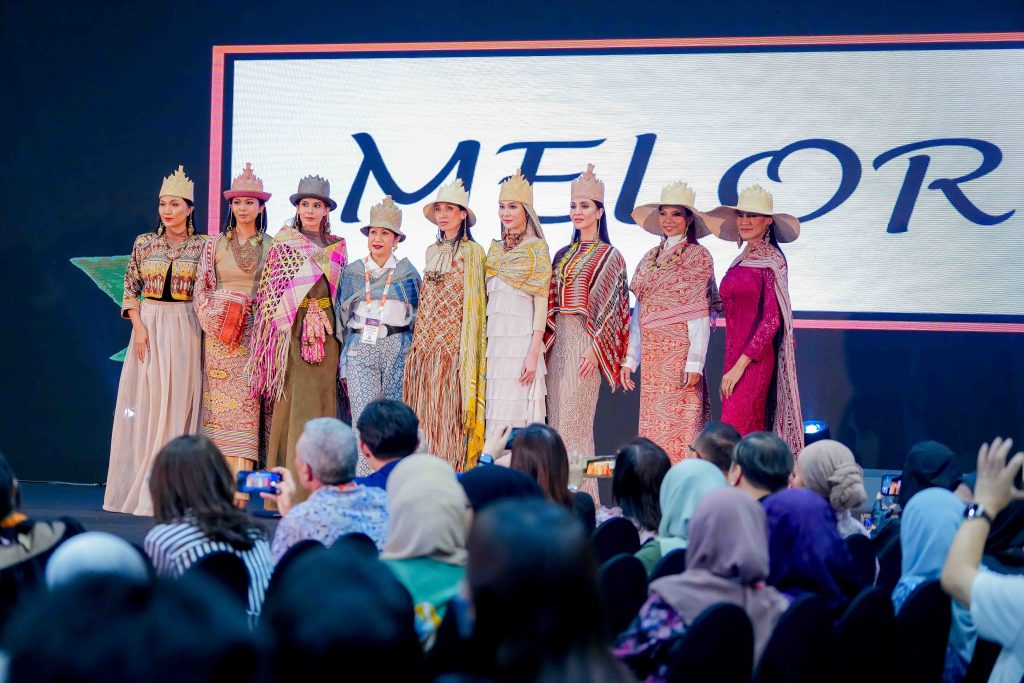 Fourth from right is designer, Melinda Omar, with her MELOR collection.
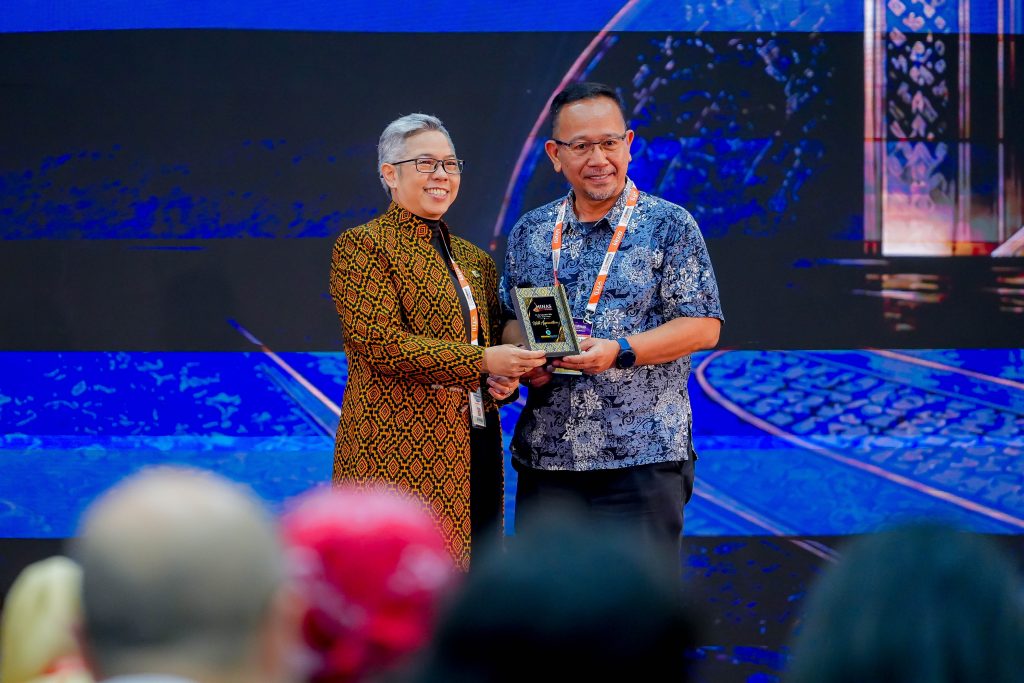 Jay Ishak with Sarawak Crafts Council’s Chief Executive Officer, Suriya Charles.
Datuk Jacqueline Fong, founder of Tanoti, was also a panellist at the forum on the closing day. She spoke about her work with rural communities in producing crafts and songket weaving, highlighting how traditional skills can be sustained by creating meaningful opportunities for artisans.
For her runway presentation, three distinct Sarawakian textile traditions came together in one contemporary collection: handwoven songket, pua kumbu ikat and indigenous woven crafts.
Tanoti’s collection, SUMMITS, featured motifs inspired by a series of Southeast Asian peaks: Mount Kinabalu in Malaysia, Bukit Pagon in Brunei, Phnom Aural in Cambodia, Puncak Jaya in Indonesia, Mount Apo in the Philippines and Fansipan in Vietnam.
The collection demonstrated how traditional Sarawakian craftsmanship can be presented through a contemporary fashion language while retaining its cultural identity.
Later this year, Tanoti will also open its first Kuala Lumpur flagship at 118 Mall, in the Malaysian Artisan District on Level 3 at the podium of the Merdeka 118 tower. This will provide another avenue for Sarawakian craftsmanship to reach audiences in the capital.
Another Kuching-based designer, Melinda Omar, brought innovative craft elements into fashion through the use of pua kumbu textiles, natural fibres, woven mats and crafts, combining traditional materials with contemporary styling and silhouettes.
Wan Bainun, who holds a degree in Fashion Design from Universiti Teknologi MARA (UiTM), has also made her mark in the fashion industry in Sarawak and won several awards for her work in modest fashion.
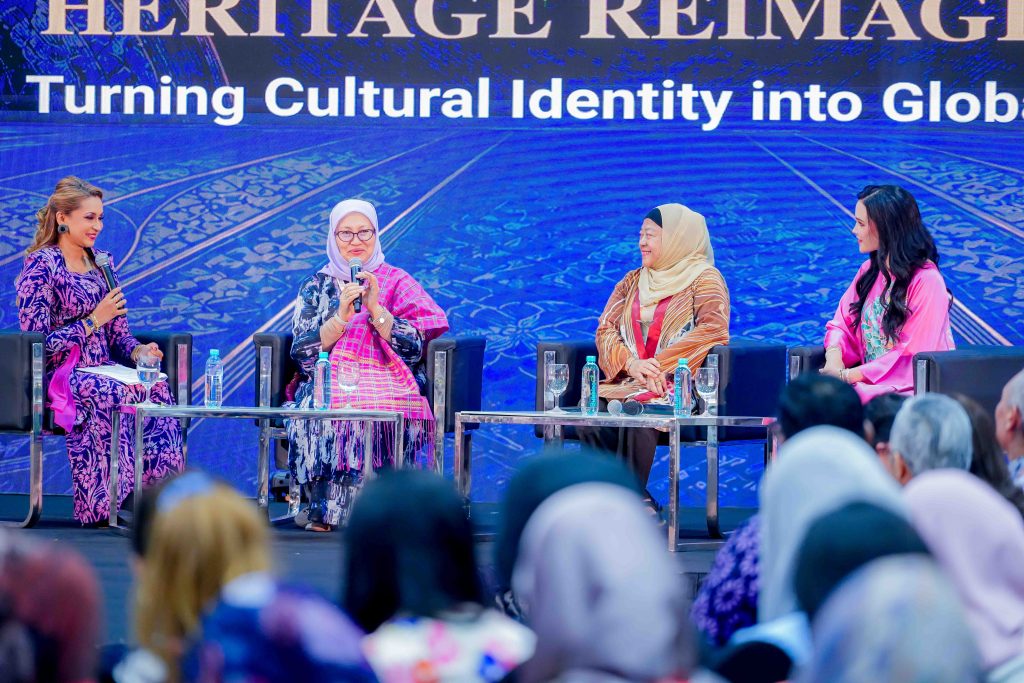 Moderator and panellists at the forum on the second day, including Datuk Dr Rashidah Bolhasan.
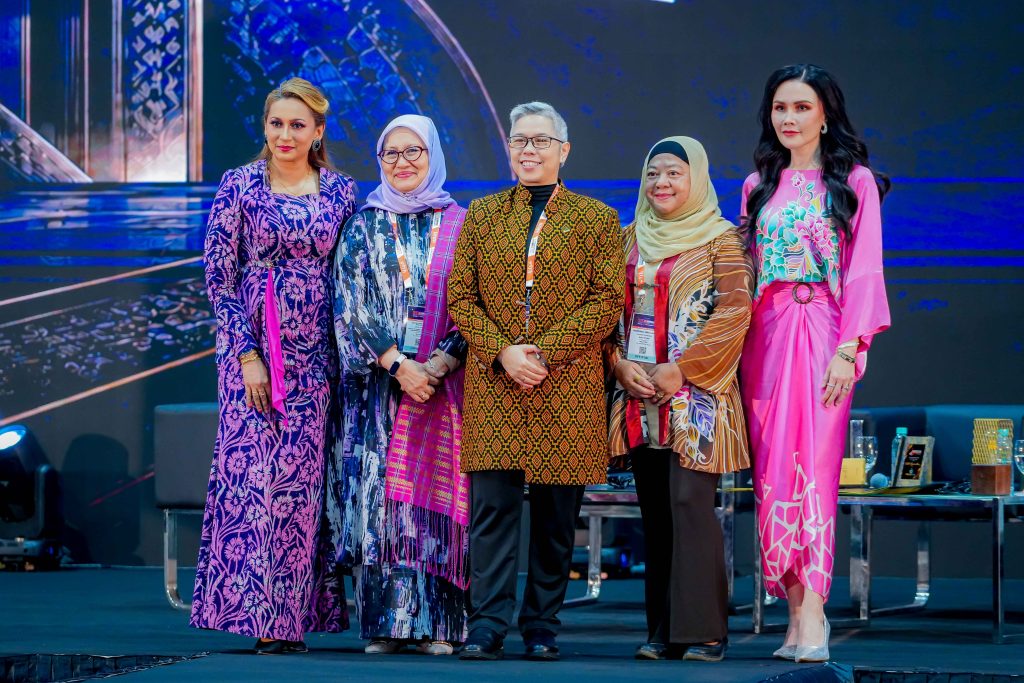 The moderator and panellists with Jay Ishak, curator of MMFW 2026 (centre).
What I found particularly encouraging about MIHAS Modest Fashion Week was that it went beyond presenting fashion as a visual spectacle. It opened up conversations about heritage, craftsmanship, business sustainability and the need to create real opportunities for designers and artisans.
For Sarawak, this is especially significant. The state possesses a wealth of indigenous textiles, crafts, motifs and traditional knowledge. Bringing these elements to national and international platforms not only gives designers greater exposure but also helps tell the stories behind the craft.
Ultimately, fashion can be much more than what we wear. It can become a vehicle for culture, heritage, creativity and economic empowerment, provided the people behind the craft are given the right platforms, markets and opportunities to grow.
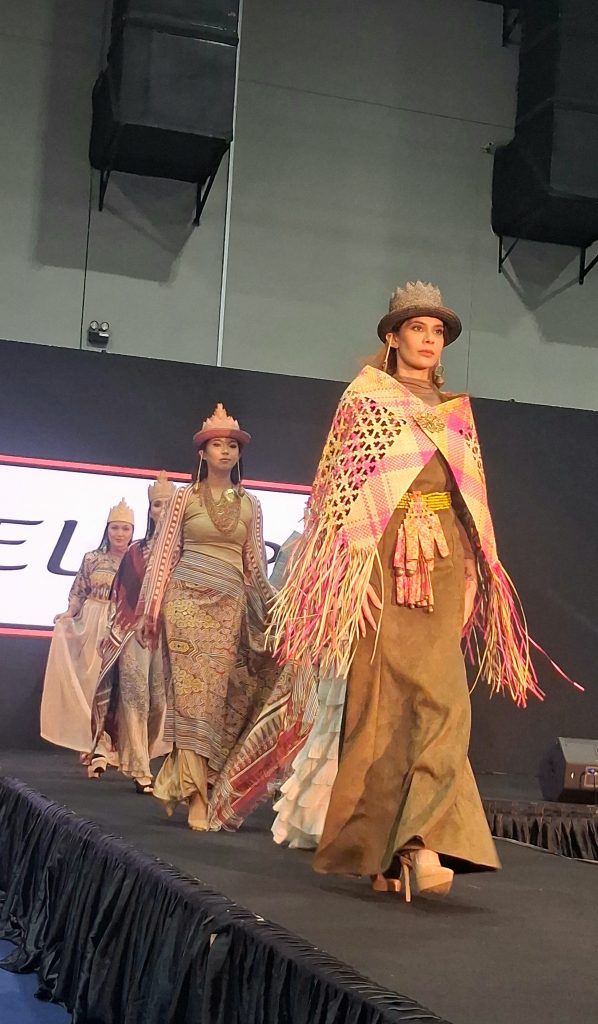 The MELOR collection.
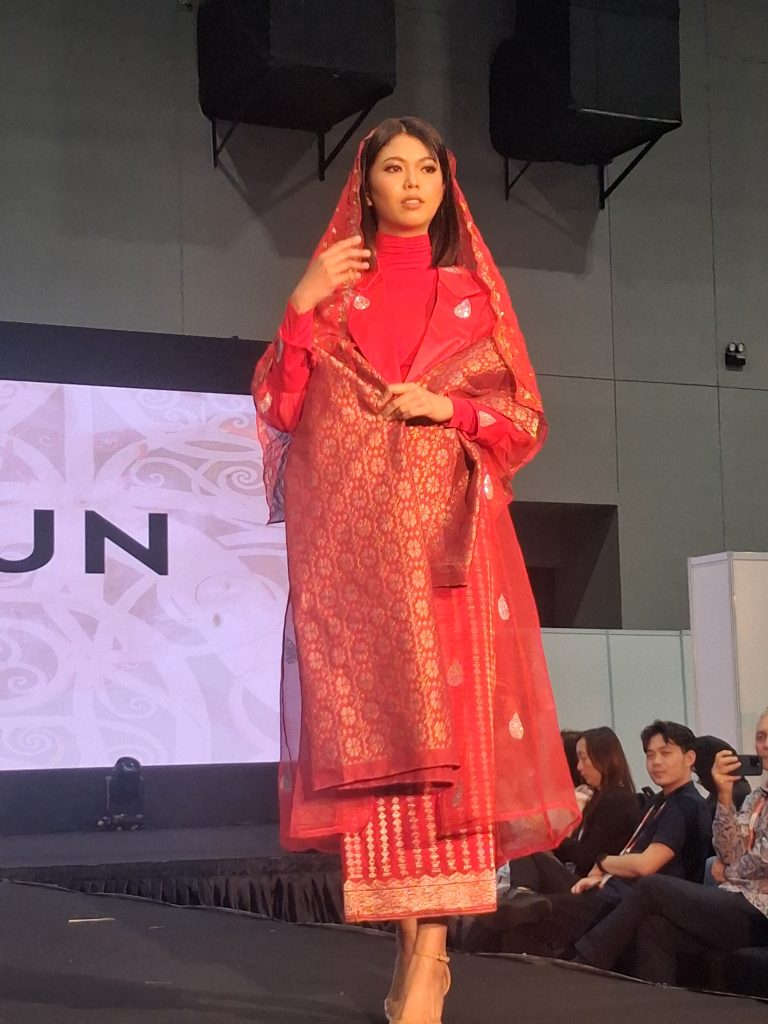 Wan Bynun’s modest fashion collection.





 English (US) ·