


 4 days ago
22
4 days ago
22
ADVERTISE HERE
KUCHING: As Sarawak continues to develop, ordinary people across the State hope that economic growth will translate into a better quality of life, particularly amid rising household expenses and changing economic conditions.
For many Sarawakians, the cost of daily necessities remains a major concern, with families having to carefully manage spending on food, housing, education, healthcare and transportation.
Urban and rural residents also face different challenges, ranging from expensive housing and traffic congestion in cities to transportation limitations, employment opportunities and access to essential services in rural areas.
Four Sarawakians from different backgrounds shared their hopes for the future, highlighting the need for policies and assistance that reflect the realities faced by people across different age groups and communities.
 Dayang Nuriznaini Awang Jobli
For sales assistant Dayang Nuriznaini Awang Jobli, 32, managing household expenses had become increasingly challenging, particularly for families with parents.
She said a significant portion of her monthly income went towards groceries, housing, transportation and her parents’ needs.
“As a working woman, adult care is one of my biggest concerns because it is difficult to find reliable and affordable adult care centres near my workplace and home,” she said.
She hoped more affordable adult care centres could be established, particularly for working parents, while financial assistance for families with children should be made easier to access.
“I hope future policies will consider the actual expenses faced by families. Even a small reduction in the cost of childcare, education and daily necessities would make a big difference,” she said.
Dayang also hoped for better public transportation options in Kuching so that families would have more affordable alternatives to using private vehicles.
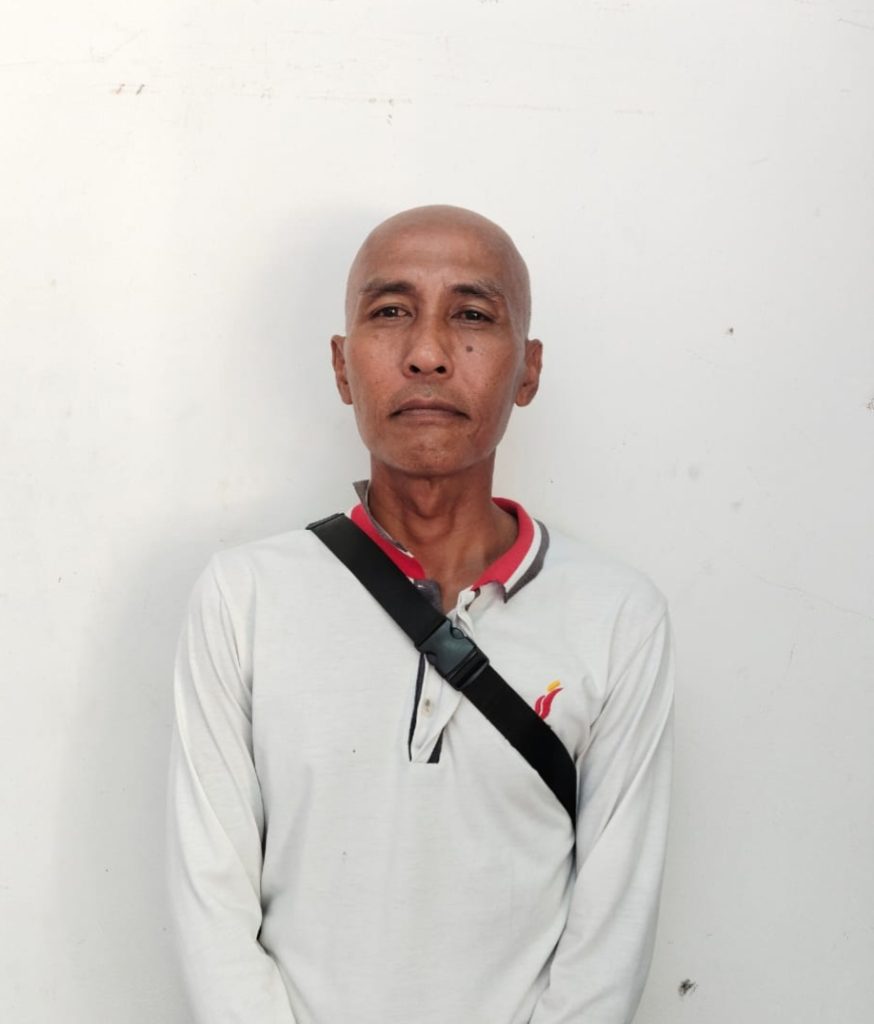 Jonathan Ahow
 For Jonathan Ahow, employment opportunities and income stability are among his biggest concerns.
The 51-year-old gig worker said flexible work provided him with income, but earnings could fluctuate significantly from one month to another.
“Gig work gives young people flexibility, but the income is not always stable. Fuel, vehicle maintenance and other daily expenses can reduce what we actually take home,” he said.
He hoped more opportunities could be created for young Sarawakians, particularly in digital industries, technology, tourism and small businesses.
Jonathan also said young people needed better access to affordable housing.
“It is difficult for young people to think about buying a house when prices and living costs continue to rise. Affordable housing should not only be available on paper; it should be within reach of young workers,” he said.
He hoped skills training and employment programmes could also be expanded so that young Sarawakians could secure more stable and better-paying jobs.
 Norhayati Abdullah
For entrepreneur, Norhayati Abdullah, 54, transportation and access to services remain important issues for people living outside major towns.
She said rural communities needed better roads, transportation links and easier access to healthcare facilities.
“When you live in a rural area, travelling to town can take time and money. If someone needs medical treatment, transportation can become a serious concern,” she said.
She said rising prices had also affected the small trading business, as the cost of transporting goods and purchasing supplies had increased.
Norhayati hoped more support could be provided to small traders and rural entrepreneurs through affordable financing, business assistance and better market access.
“Small traders may not need huge amounts of assistance, but practical support can help us continue the businesses and support the families,” she said.
She also hoped development would continue to reach rural communities, particularly in terms of internet connectivity, healthcare, education and basic infrastructure.
 Azizan Ahmad
For airport ramp ground crew, Azizan Ahmad, 29, the rising cost of living and the need for better wages remain important concerns, particularly for workers managing household expenses while working shifts.
Azizan said airport ground operations involved physically demanding duties, irregular working hours and the need to maintain safety and efficiency, making fair compensation and employee welfare important.
“Living costs keep increasing, especially for food, transportation and household necessities. We hope employers will continue reviewing salaries and providing benefits that reflect the demands of our work,” the crew member said.
Azizan also hoped for better career development opportunities, including skills training and opportunities for workers to progress into higher positions within the aviation industry.
“I hope Sarawak’s development will create more stable jobs and better opportunities for local workers. Economic growth should benefit ordinary employees too, so we can support our families and have a more secure future,” he said.
He added that affordable housing and improved public transportation would also help workers manage their daily expenses, particularly those working shifts outside regular office hours.
Across different generations and communities, the four Sarawakians shared a common hope that development would be felt directly in their everyday lives.
For them, a better future means not only economic growth, but also making everyday life more affordable, accessible and secure for people across the State.







 English (US) ·